Illegal Border Crossings Today:
Some 8,447 pounds of fentanyl seized at the border this fiscal year — enough poison to kill 2…
Majority Leader Schumer abandoned 200 years of constitutional precedent to avoid the spectacle and controversy of an impeachment trial focused on Secretary Mayorkas’ dereliction of duty. Now, the…
(April 17, 2024, Washington, D.C.) “Today, the U.S. Senate took the unprecedented step of effectively dismissing the articles of impeachment against Homeland Security Secretary Alejandro Mayorkas that…
The House will deliver the articles of impeachment against Secretary Mayorakas to the Senate this week. Now, the Senate must fulfill its constitutional duty to hold a full trial and consider all the…
Special interests are currently lobbying to get the Senate to take up H.R. 7024, the Tax Relief for American Families and Workers Act. The bill, if enacted, would expand the Additional Child Tax…
The CBP data on March 2024 border encounters, drug seizures, stopping counterfeit shipments, and inspections of plant and animal products were released on Friday, April 12. For this period, CBP…
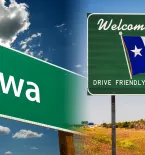
In passing Texas-style legislation, Iowa is seeking to improve the enforcement of our immigration laws.
Mayor Eric Adams continues to blame New York City’s unprecedented migrant crisis on Texas Governor Abbott, recently suggesting that the Governor should spend a night in a migrant shelter in his city…
On the heels of an impeachment trial, Secretary Mayorkas was called to Capitol Hill to defend the President’s budget request. For the first time, he admitted there was a crisis. But, will the funding…
A recently released report shows illegal aliens cost Florida taxpayers at least $566 million in medical expenses each year. But the true figure is likely to be even higher.